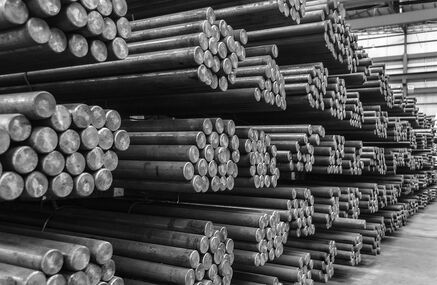
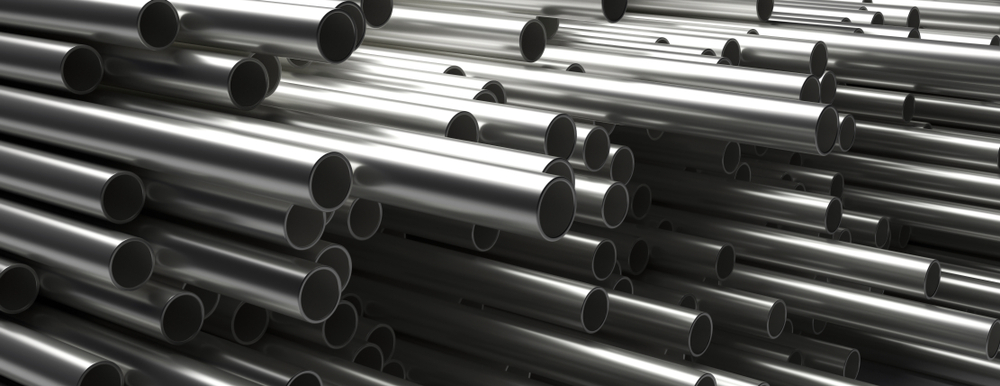
Choosing the right mild steel for a project is about far more than simply selecting the cheapest option or the first product that appears in a catalogue. The size, profile, thickness and finish of the steel all play a vital role in determining how well the finished project performs. Whether you're fabricating structural frames, manufacturing equipment, building gates or completing a DIY project, making informed decisions from the outset helps achieve better results.
One of the biggest advantages of mild steel is its exceptional versatility. It is widely used across construction, engineering, manufacturing, agricultural, automotive and domestic applications because it offers an excellent balance of strength, workability and affordability. However, with so many different profiles and dimensions available, selecting the most suitable material can sometimes feel overwhelming, particularly for first-time buyers.
Choosing incorrectly can lead to unnecessary expense, excessive fabrication work, reduced structural performance or material that simply isn't suited to the job. Ordering steel that's heavier than necessary increases costs and makes handling more difficult, while choosing a material that's too light may compromise strength and durability. Spending a little extra time planning before ordering can help avoid these common and often costly mistakes.
In this guide, Austen Knapman provides a practical checklist to help you select the right mild steel for your project. From understanding the intended application to choosing the correct profile, dimensions and finish, each step will help you purchase with greater confidence while ensuring your project is built on the right foundations.
Every successful steel project begins with a clear understanding of its intended purpose. Mild steel used for decorative furniture has very different requirements from steel used to fabricate trailers, machinery, structural supports or security fencing. Considering how the steel will be loaded, where it will be installed and the environment it will operate in helps narrow down the most appropriate products before you begin comparing sizes or prices. By identifying the demands of the application early, you are far less likely to purchase material that is unsuitable or unnecessarily expensive.
Checklist:
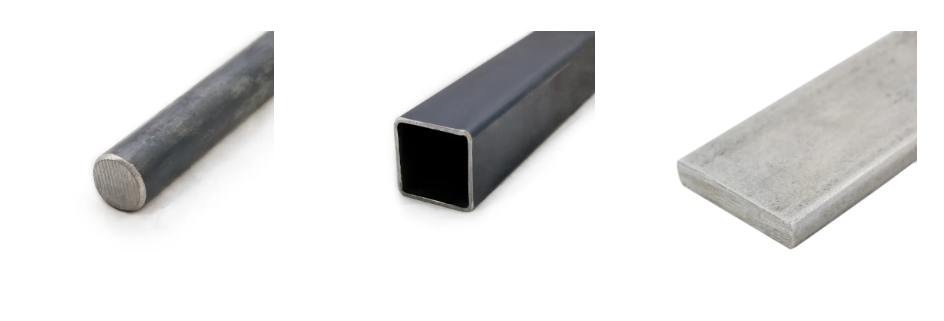
Mild steel is available in a wide variety of profiles, each designed to suit different applications. From solid bars used in engineering and fabrication to hollow sections that offer exceptional strength with reduced weight, every profile has its own advantages. Selecting the most appropriate product not only improves the structural performance of the finished project but can also reduce material waste, simplify fabrication and lower overall costs. Understanding the purpose of each profile before ordering makes it much easier to invest in mild steel that delivers the best results for your specific application.
One of the most common purchasing mistakes is selecting steel purely by price rather than by the dimensions required for the application. Material that is too small may lack the necessary strength, while oversized steel increases costs, transport weight and fabrication time without offering meaningful benefits. Careful planning allows you to achieve the best balance between performance, practicality and budget. If you're unsure, consulting design drawings or seeking expert advice before ordering is always worthwhile.
Checklist:
The fabrication process should influence your material selection just as much as the finished appearance. Some projects require extensive welding, machining, drilling or bending, while others involve straightforward cutting and assembly. Considering these requirements before purchasing helps ensure the steel performs well throughout the manufacturing process rather than simply after installation. Planning ahead also reduces labour costs and improves production efficiency.
Checklist:
Even when you've identified the correct product, choosing the right supplier is equally important. A reputable steel supplier offers consistent quality, accurate sizing, reliable stock availability and knowledgeable support when questions arise. This can make a significant difference to project timelines, particularly when materials are required quickly or cut-to-size services are available. Trusted suppliers also help minimise delays by ensuring products arrive correctly packaged and ready for fabrication.
Checklist:
Choosing the right mild steel doesn't have to be a complicated undertaking, but it does require careful planning. By clearly defining your project requirements, selecting the correct profile - box section, flat bar, angle, solid round bar, tube, half round square edge - choosing appropriate dimensions, considering fabrication requirements and purchasing from a trusted supplier like Austen Knapman, you'll greatly improve the chances of achieving a successful outcome while avoiding unnecessary costs.
Whether you're a professional fabricator, engineer, contractor or enthusiastic DIY-er, following this simple checklist provides a practical framework for making informed purchasing decisions. Investing a little extra time before placing your order can save significant time, money and frustration later, helping ensure your project is completed efficiently using mild steel that's perfectly suited to the task.