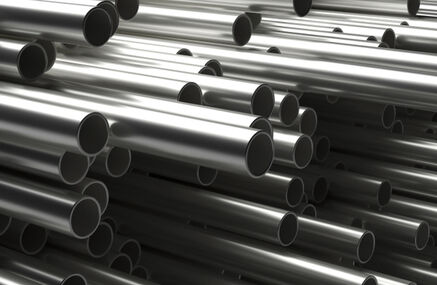

Steel rebar - short for reinforcement bar is the unsung hero of modern construction. It's the steel skeleton hidden within concrete structures, providing the tensile strength needed to withstand stress, movement and environmental forces. Without it, concrete would crack and crumble far more easily under pressure.
This durable steel bar is specifically designed to bond with concrete, improving the performance of everything from high-rise buildings to roads, bridges, and even garden patios. Its ribbed surface allows it to grip the concrete securely for a stronger mechanical bond, ensuring a long-lasting and structurally sound build.
But while rebar is tough and resilient, it’s not invincible - especially when exposed to the elements before or during installation. Rust is the silent threat that can undermine your entire project if not managed properly. Left unprotected, rebar can corrode rapidly, weakening its structural capacity and compromising the integrity of the concrete it was meant to reinforce.
For contractors, builders and suppliers, rusted rebar can mean costly delays, failed inspections, safety issues and a reduced lifespan of the final structure. In short: none of this is a purely cosmetic issue. It's a risk that needs addressing. But the good news is, it’s manageable, with the right knowledge and best practices.
In our latest blog, Austen Knapman will provide you with all the vital information and advice, cleaning tips and prevention measures to ensure your rebar stays in the best condition possible for your next project.
Steel is made primarily of iron - and iron reacts with oxygen and moisture to form iron oxide, or rust. When rebar is exposed to rain, humidity or standing water, corrosion can quickly begin to take hold, especially in coastal or industrial environments where salt and pollutants are present.
Even small amounts of rust can reduce the bond strength between steel and concrete, and if left unchecked, the rust expands - causing cracking, spalling, and internal pressure within the concrete. This not only weakens the structure but also increases the likelihood of future maintenance and repair costs.
Using heavily corroded rebar in construction can cause multiple issues both during and after the build:
While light surface rust (sometimes called "flash rust") may be tolerated in some specifications, significant corrosion should never be ignored when rebar is involved.
Preventing corrosion starts long before the rebar is laid in concrete. Here are some key storage tips to protect your rebar on-site or in the yard:
In cases where rebar has begun to rust, light rust can sometimes be removed and the steel reused - but only if local building codes allow. Here's how:
Important: If the rust has significantly pitted or flaked the steel, replace it. Don’t risk the whole project for the cost of a new bar.
For long-term use, demanding projects or harsh environments, consider using a treated or coated reinforcement bar option. A bolstered rebar can provide long-term durability, added corrosion resistance and even an extended lifespan:
These options come at a higher initial cost, but they reduce future repair expenses and extend structural life in the long term.
Rebar is critical to the strength and safety of concrete structures - but only when it’s protected and properly maintained. Rust is more than an eyesore; it’s a structural liability that can be easily avoided with smart storage, prompt handling, and the right product choices.
If you're sourcing steel rebar for your next build, always ask your supplier about storage history, delivery conditions, and corrosion-resistant options. A little care now saves a lot of cost (and headaches) later.
At Austen Knapman, we offer 500 Grade High Yield Steel Rebar, delivered cut-to-size to suit the exact dimensional requirements of your latest project. Simply enter the dimensions of the rebar lengths you require into our price calculator, along with the quantity to receive an instant on-screen quote for your order.